
Outreach Programme. Participation in solving local socio-environmental issues Warsaw University of Life Sciences, 5-7 May 2026
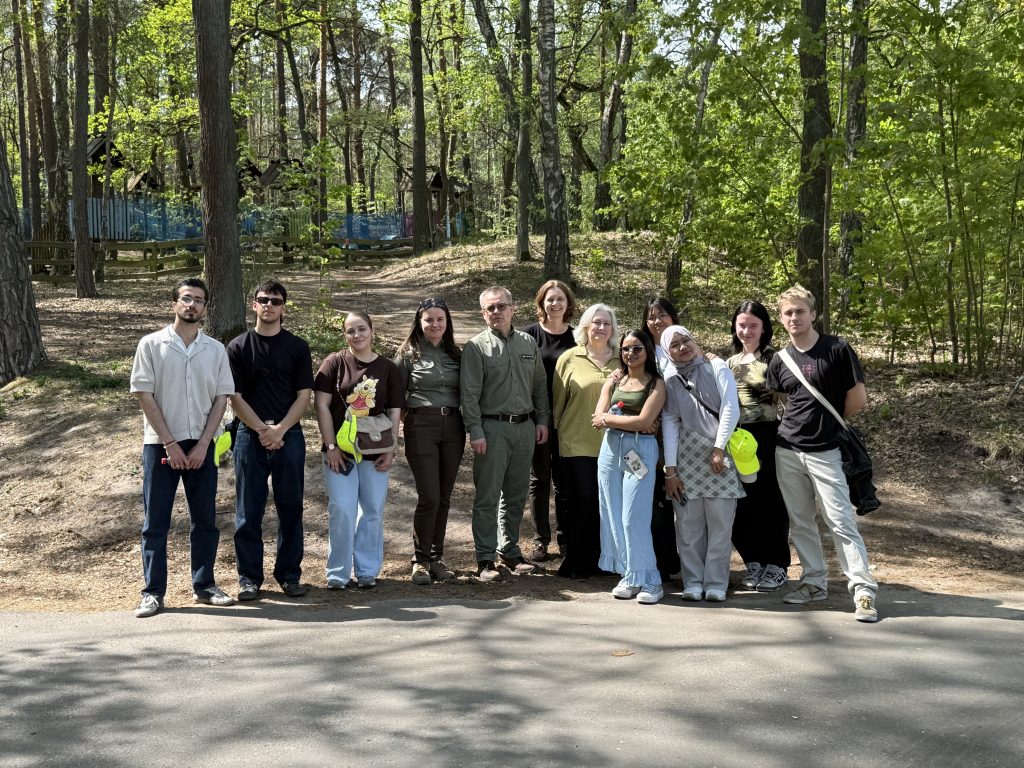
Participants in the UNIgreen Outreach Programme worked on resolving a local issue – the difficult choice between different lifestyles and the expectations of various social groups.
The conflict surrounding Planeta Zalesie concerns nature conservation, the rights and freedoms of entrepreneurs, and the limits of responsibility of local authorities and the State Forests.
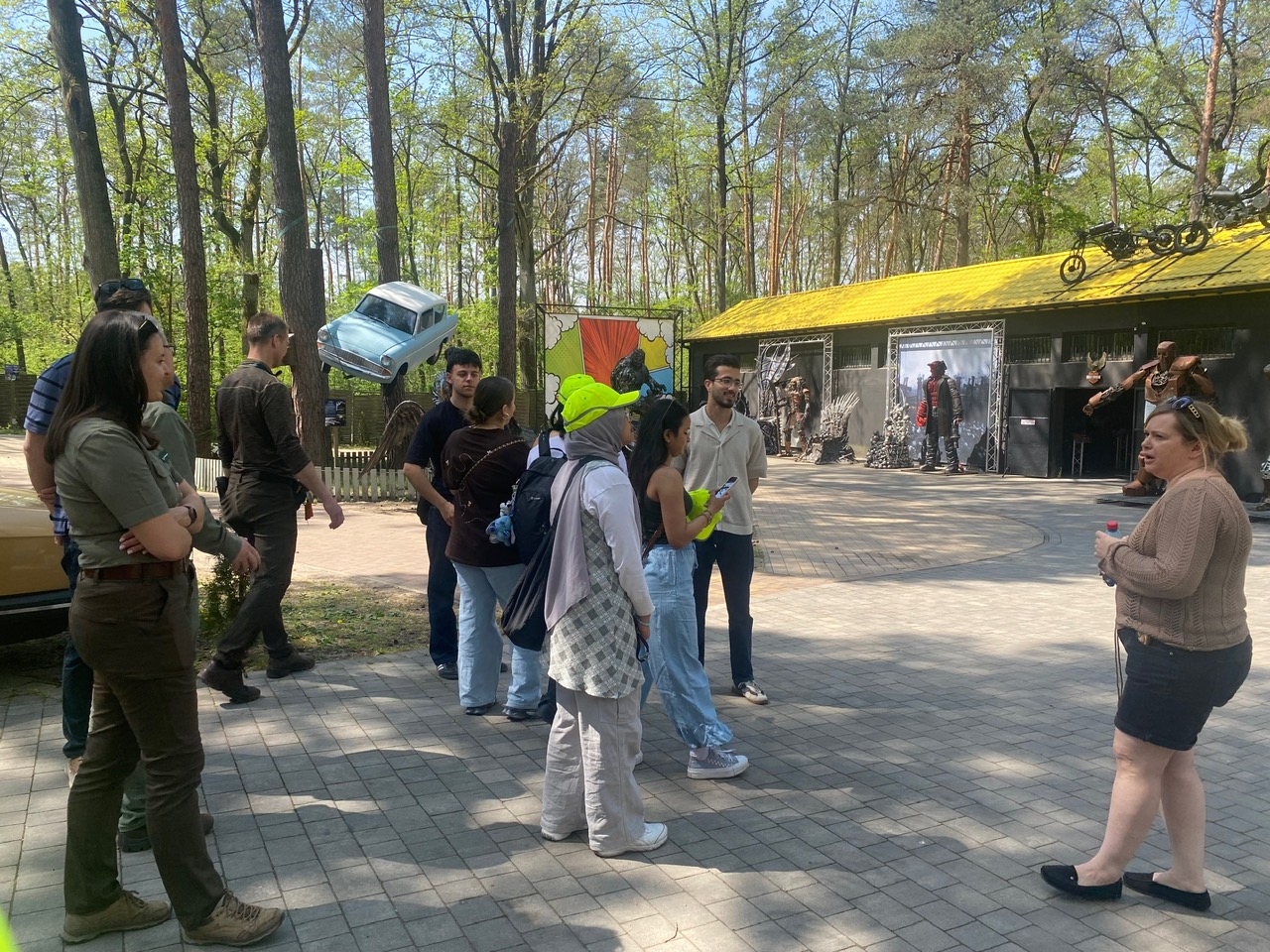
The local forests, long treated as a shared and accessible space for rest, walking, and everyday contact with nature, are increasingly being used for commercial and organized leisure activities. One example of this shift is the development of attractions such as “Planeta Zalesie,” which introduces new forms of entertainment and structured use into the forest landscape. As a result, the character of the area is changing from a relatively informal, open natural space into a more managed and profit-oriented environment. This transformation has led to tensions between different groups. Some local residents value the forest primarily as a place of silence, refuge, and ecological importance, where human presence should remain limited and non-intrusive. Others see it as a space that can be activated economically and socially, offering new opportunities for tourism, recreation, and business. The conflict is not only about specific developments but also about different ways of understanding nature itself. Is the forest a common good that should remain largely untouched and equally accessible to everyone? Or is it a resource that can be developed and adapted to contemporary economic and leisure needs? Zalesie Górne becomes an example of a broader process in which natural spaces located near large cities are being redefined. Increasing demand for leisure, tourism, and alternative forms of consumption puts pressure on these environments, often leading to overlapping uses and competing expectations.
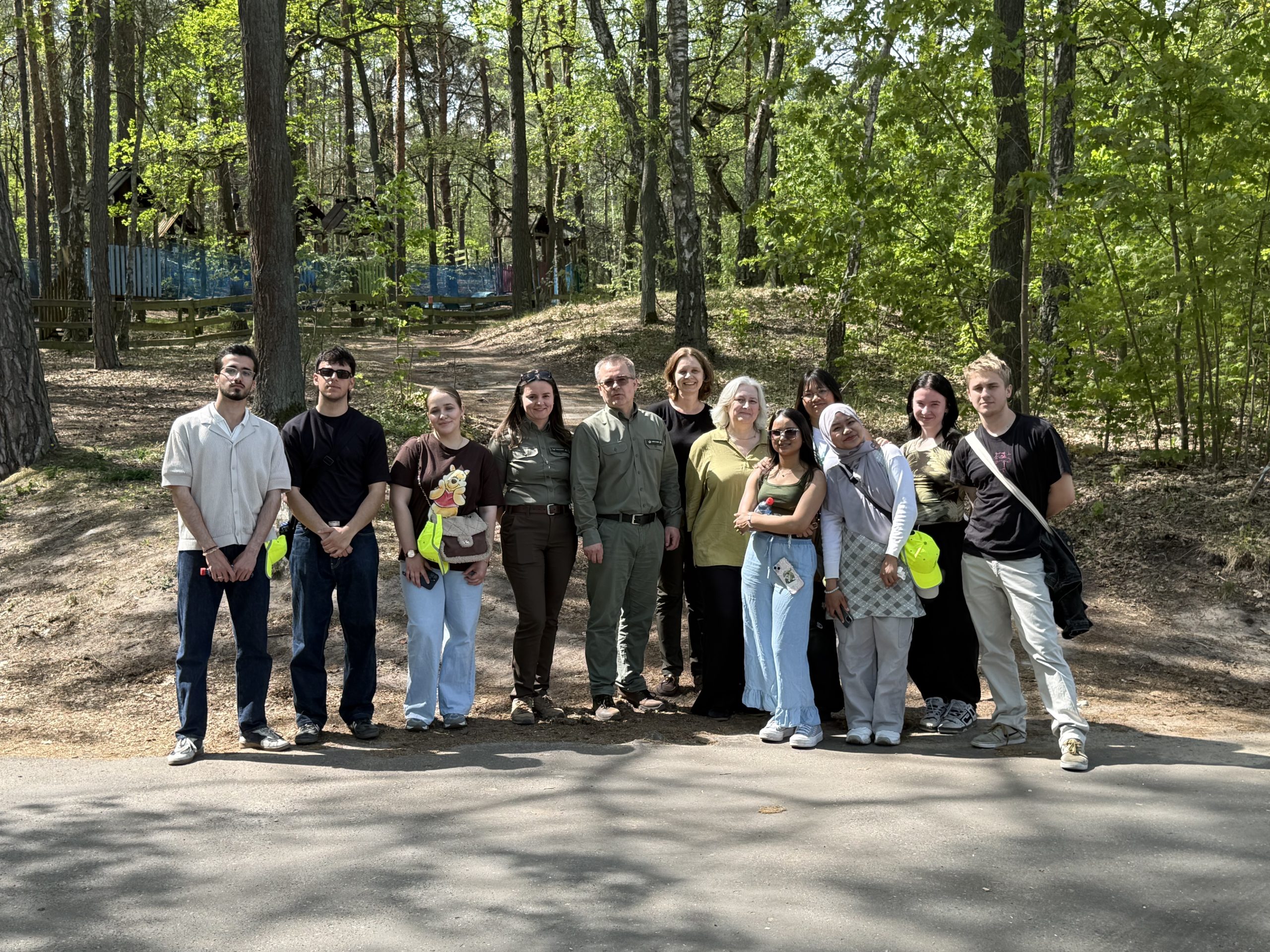
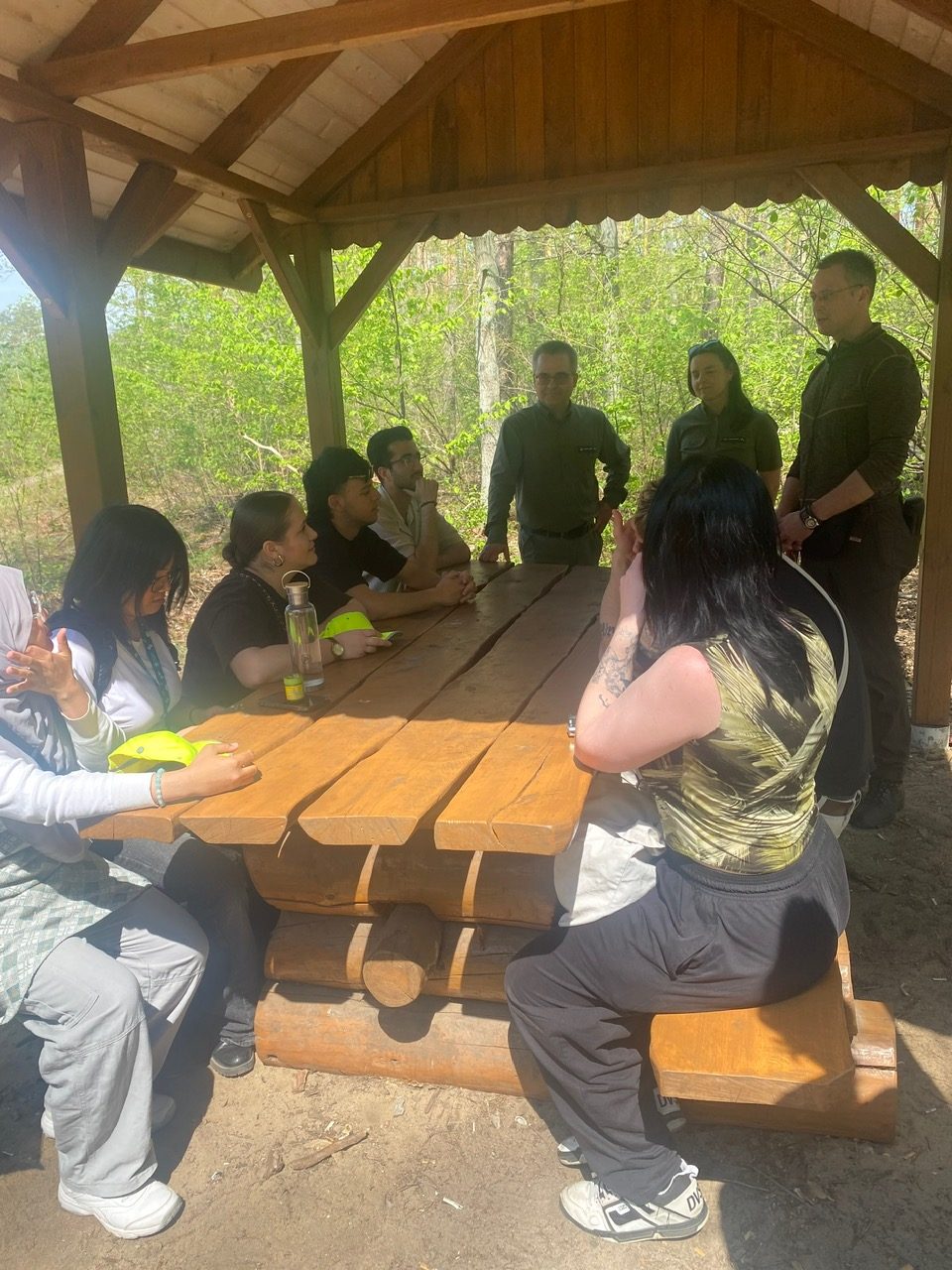
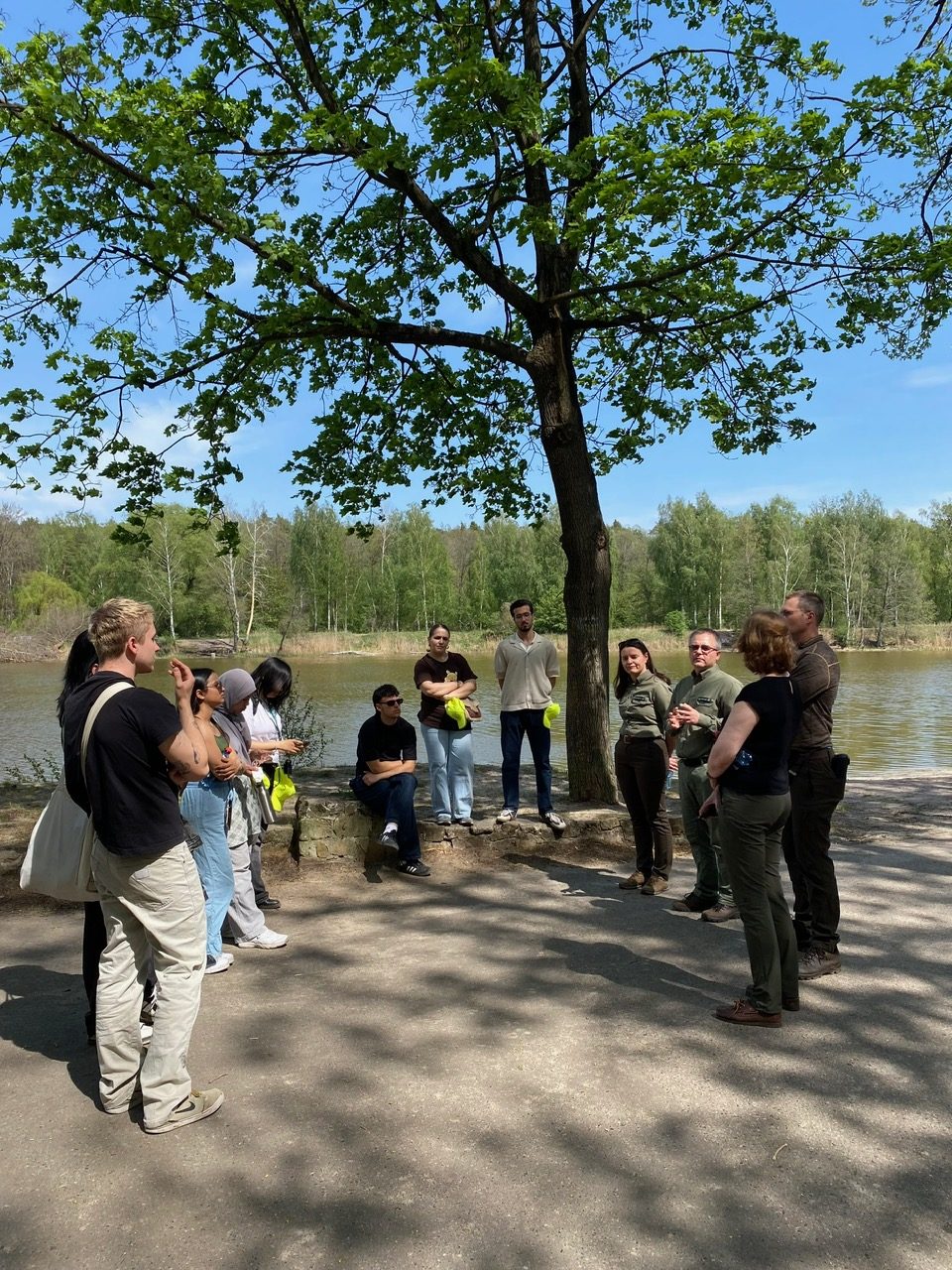
The participants – students from various disciplines and universities – met on site with foresters and local entrepreneurs, learning about their interests and points of view. They visited the site of the dispute – the Planeta Zalesie – observed local residents enjoying their leisure time in the forest, and discussed possible solutions that would reconcile the conflicting needs and expectations of different groups.