
Training on intergenerational communication at the Warsaw University of Life Sciences
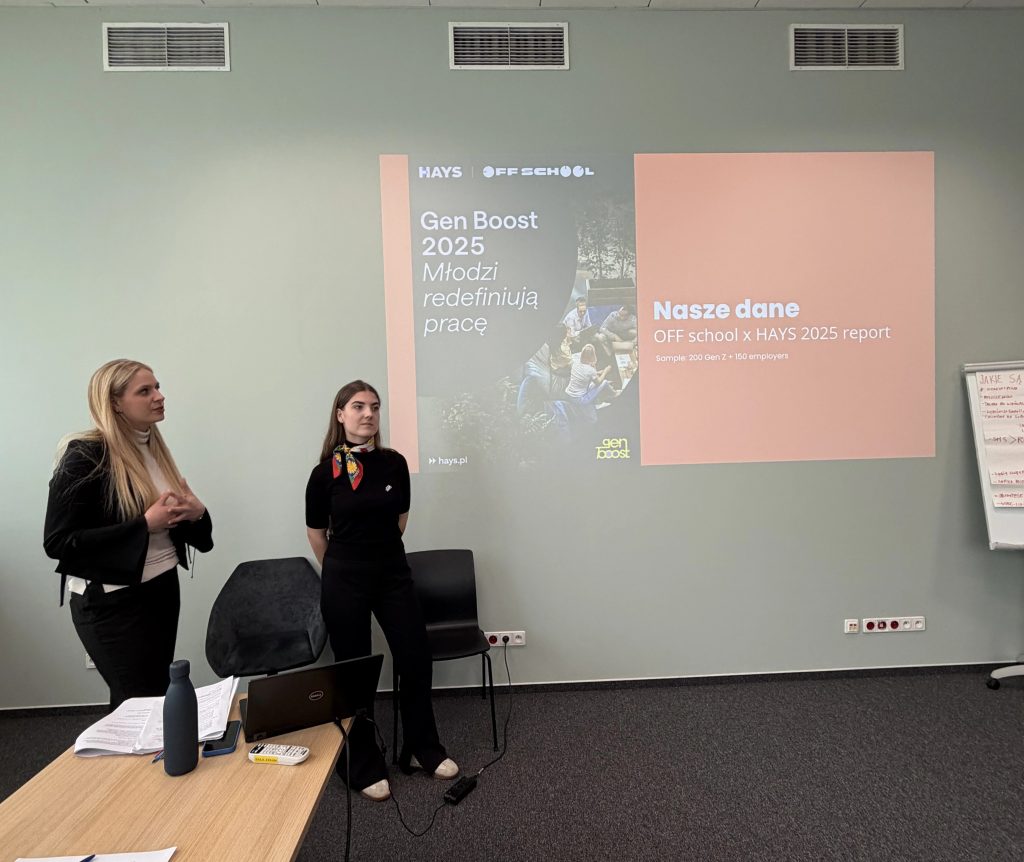
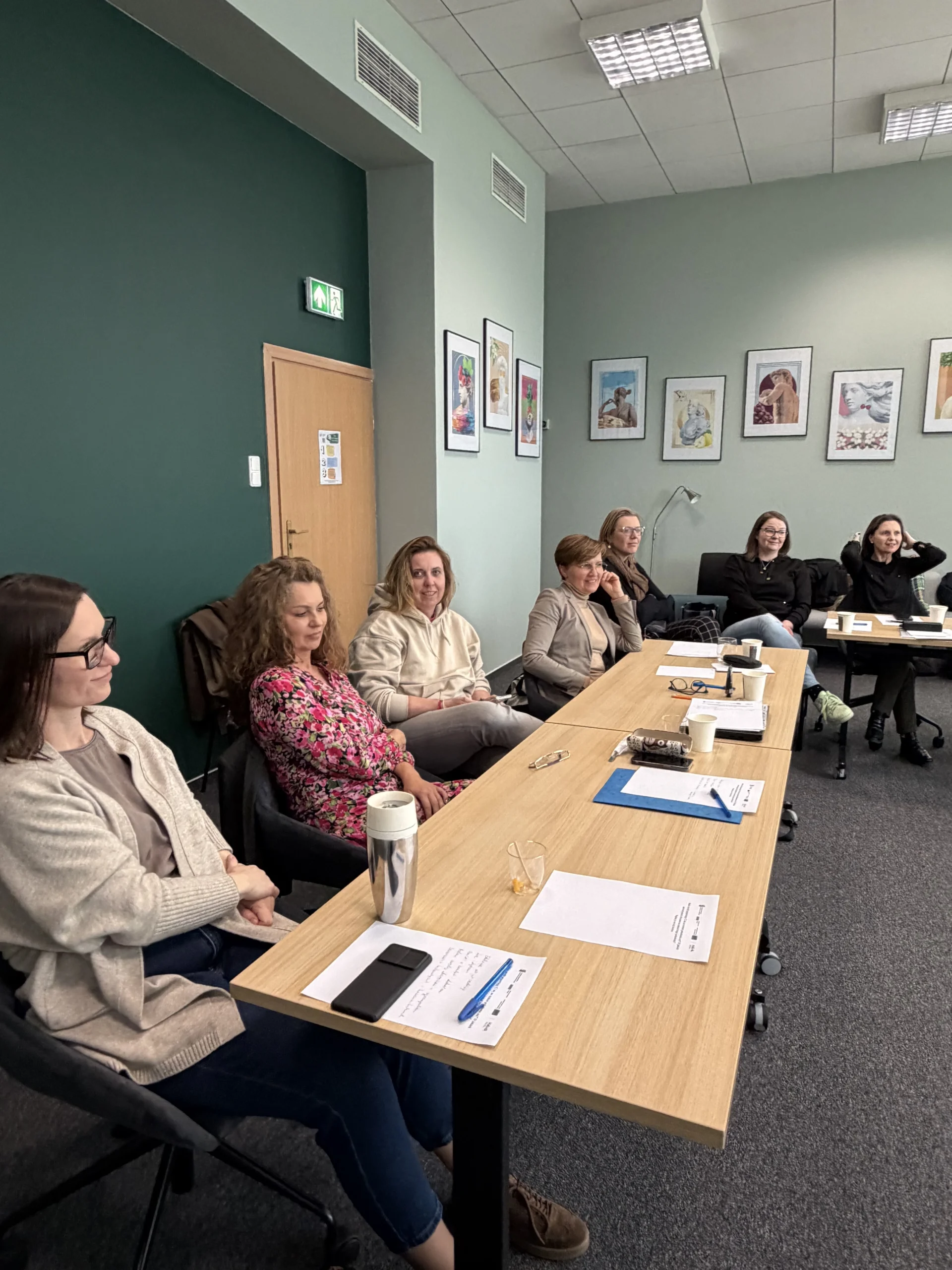
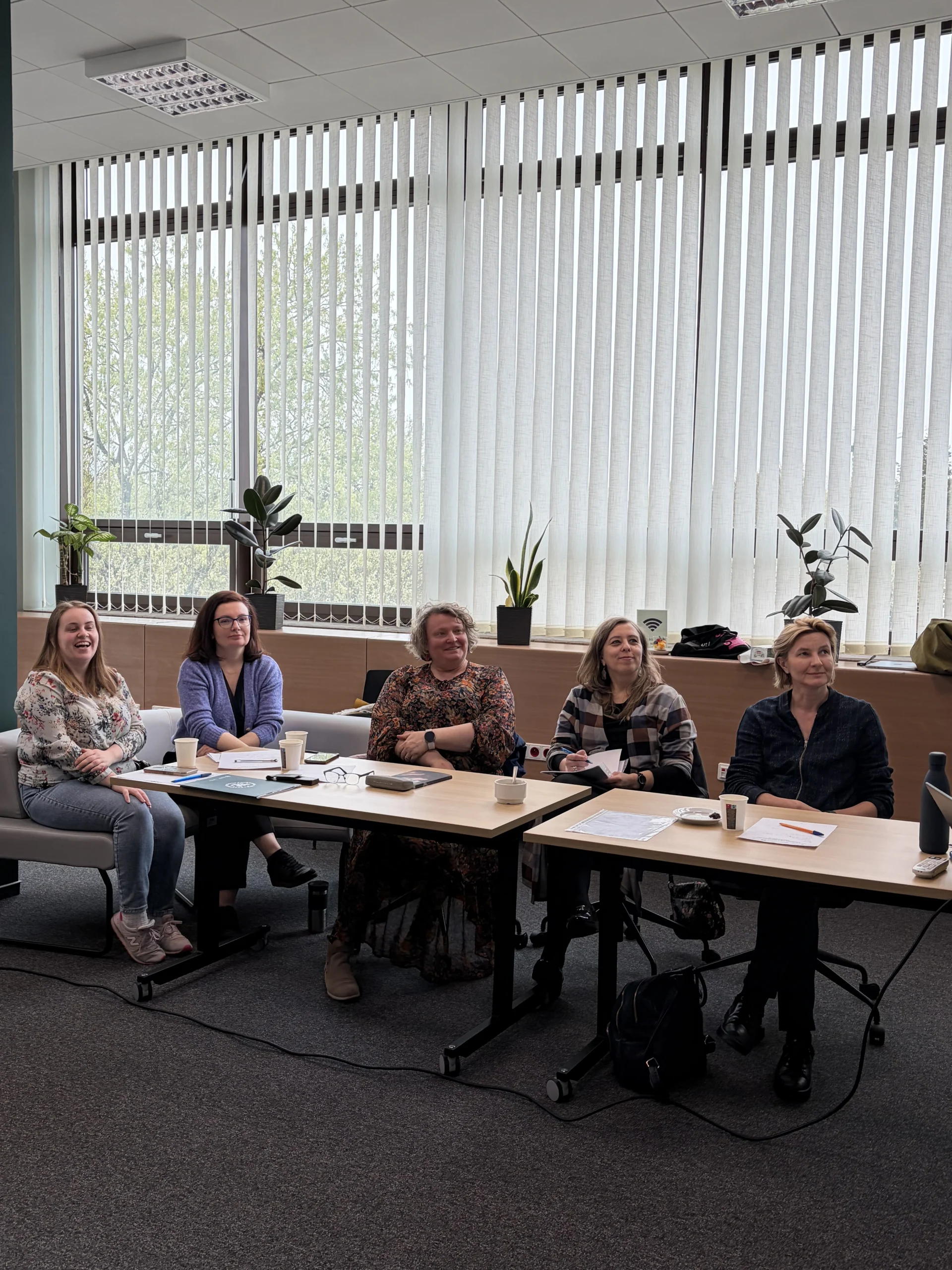
How can one communicate effectively within teams comprising members of different generations? How can one better respond to the needs of students with different learning styles, expectations and ways of working? These issues were discussed during a training session on intergenerational communication held on the Warsaw University of Life Sciences campus.
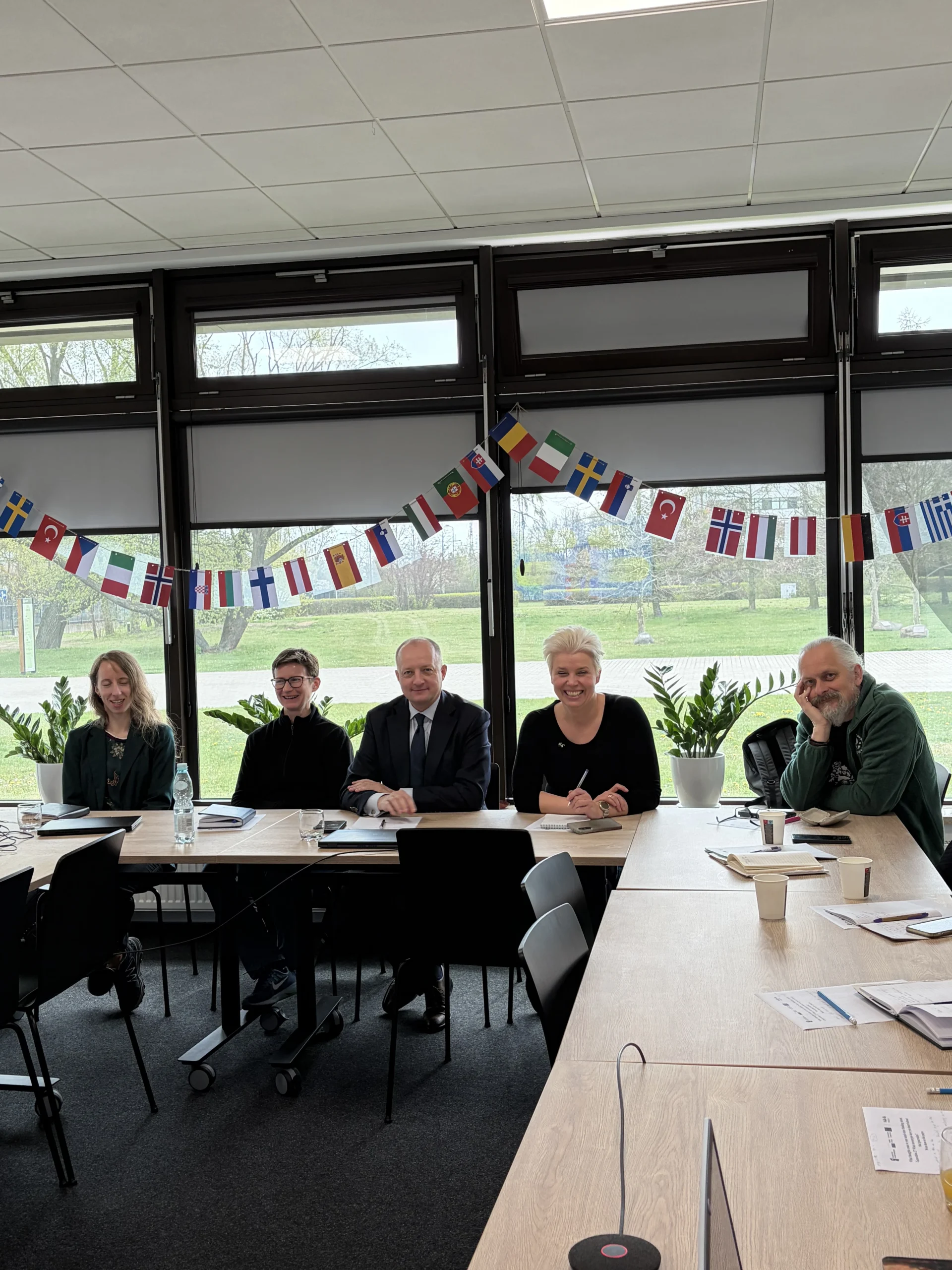
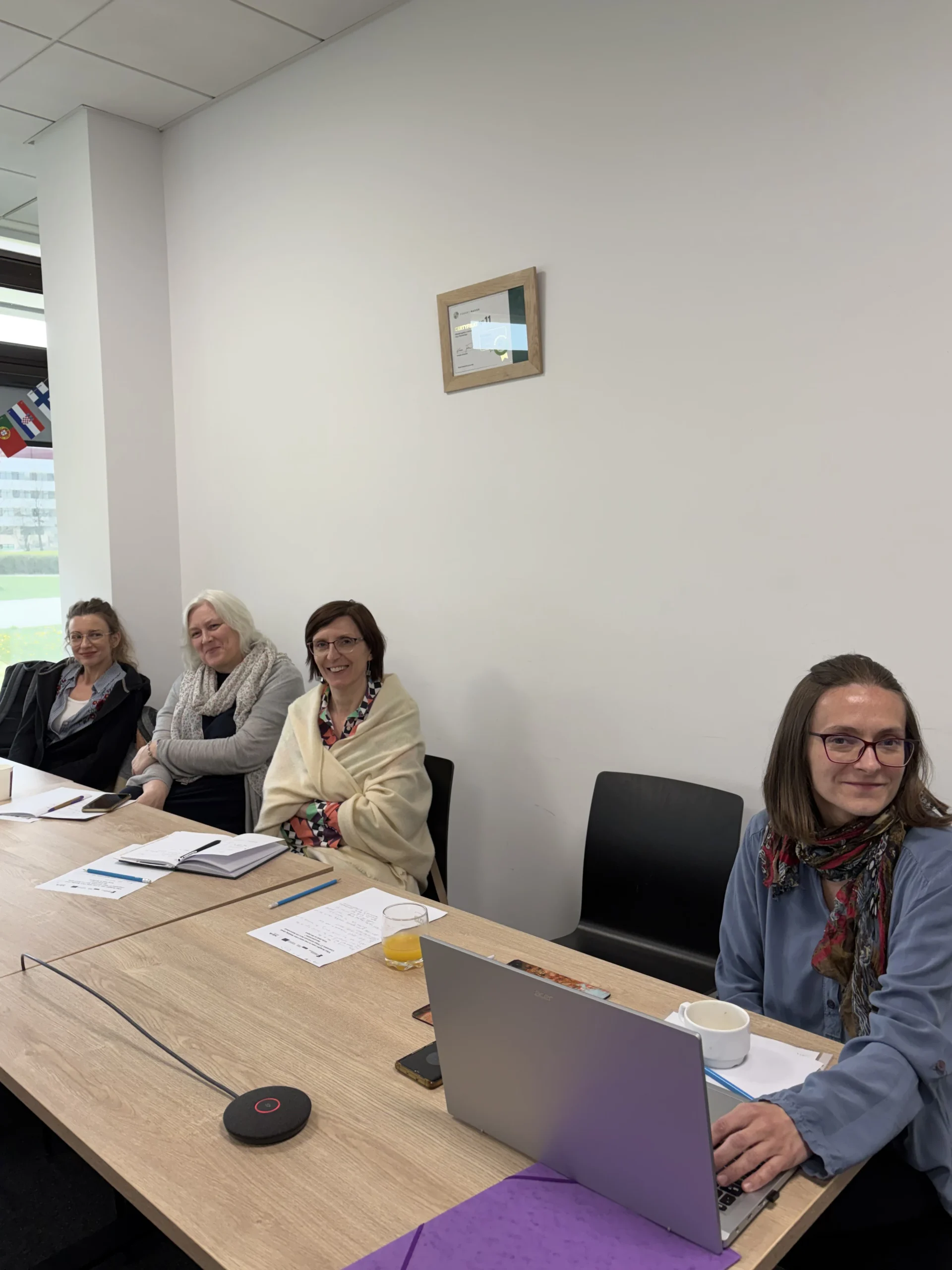
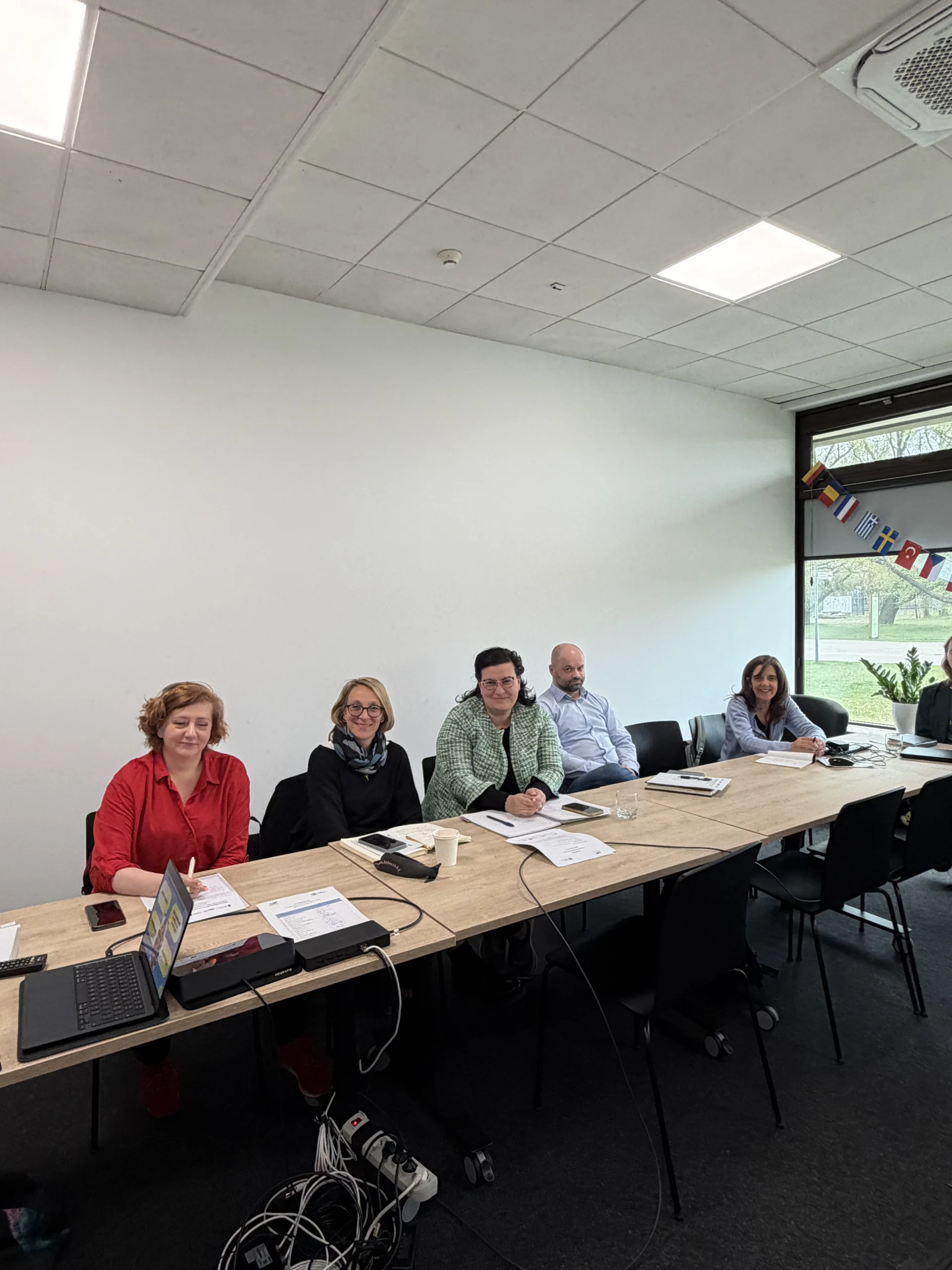
The SGGW International Relations Office, with financial support from the National Agency for Academic Exchange (NAWA), organised a training session on communication in intergenerational teams. The event was primarily aimed at academic staff, for whom the ability to communicate effectively with representatives of different generations – including students with diverse needs, learning styles, and expectations – is now becoming a key teaching competency.
The training provided a forum for discussing the challenges of contemporary teaching, exchanging experiences and jointly seeking solutions that meet the needs of a diverse academic community. Participants had the opportunity to examine how the academic environment is changing and the role of conscious, empathetic, and effective communication within it.
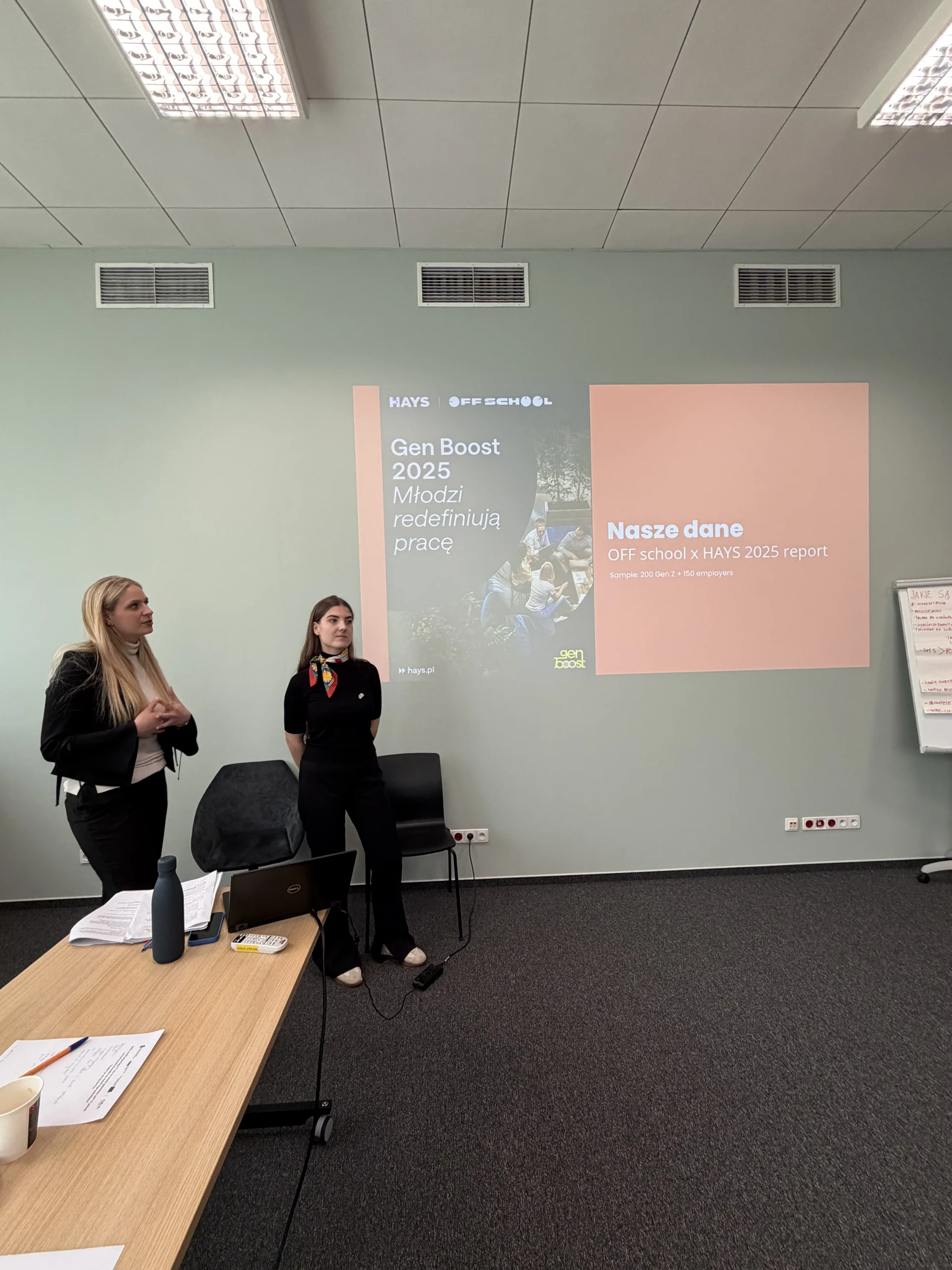
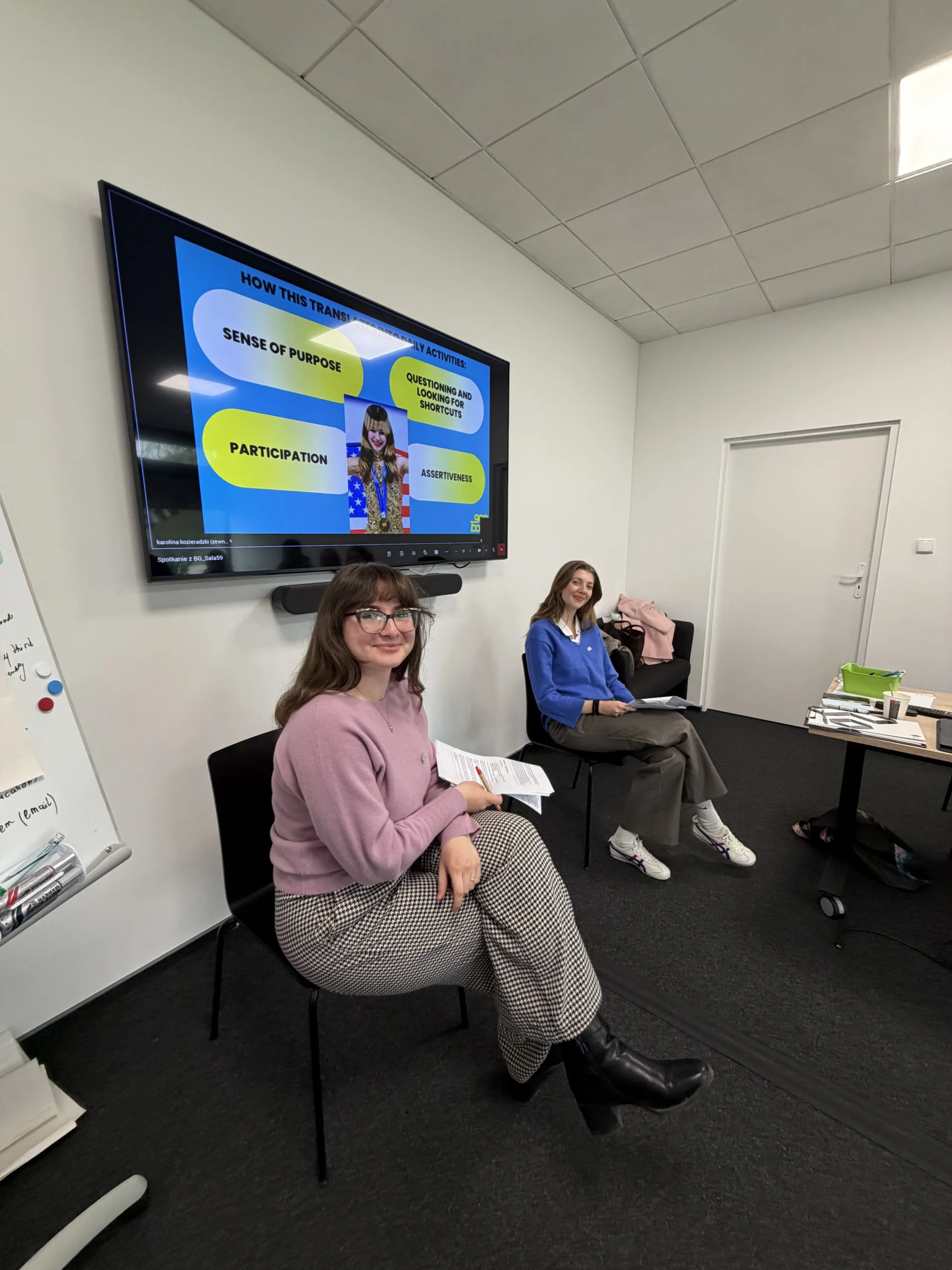
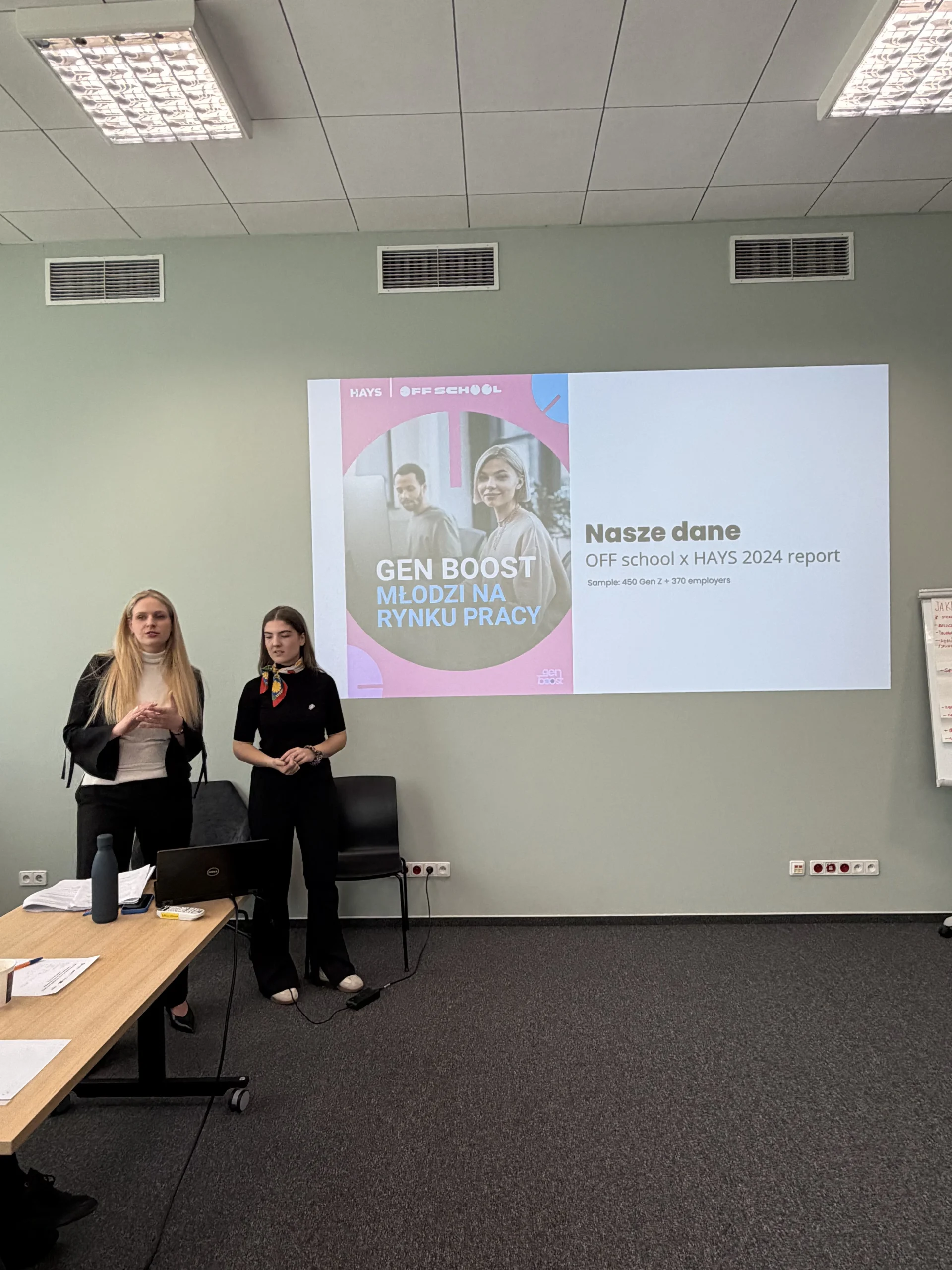
The course programme covered both issues related to understanding today’s students, who have grown up in a world of new technologies, and practical communication tools useful in everyday academic work. Participants analysed the generational landscape – from Baby Boomers to Generation Alpha – and discussed the specific characteristics of Generation Z in the learning process, their motivation, fear of failure, and need for immediate feedback. They also considered how Generation Alpha might transform higher education in the coming years.
Workshops and practical sessions were also a key part of the training. Participants created empathy maps of students from various European countries, analysed digital communication – from email to instant messaging – and worked on ways to respond to difficult situations, such as a student’s demanding behaviour or withdrawal. The programme also included the “UNIgreen Universities Future-Ready” project panel, dedicated to developing a catalogue of good practices for universities in the areas of recruitment, teaching and administration.
Today’s university needs not only modern tools, but also attentive, mindful communication that takes generational and cultural differences into account. “This training provided an opportunity to develop skills that are particularly important in an international academic environment, where the quality of relationships and the way we communicate have a direct impact on the quality of education and cooperation,” emphasised Katarzyna Specjalska, Head of the International Relations Office at SGGW.
The training was conducted in two languages – Polish and English; it was the latest instalment of activities carried out as part of a project supporting the development of university staff competencies. The meeting demonstrated that intergenerational communication is now a key element in building a modern, open, and effective academic environment.
Training dates: 14–15 April